
Deparments
From Laboratory Learning to Clinical Excellence.
Anatomy is the branch of science that studies the structure of the human body, its organs, tissues, bones, muscles, and body systems.
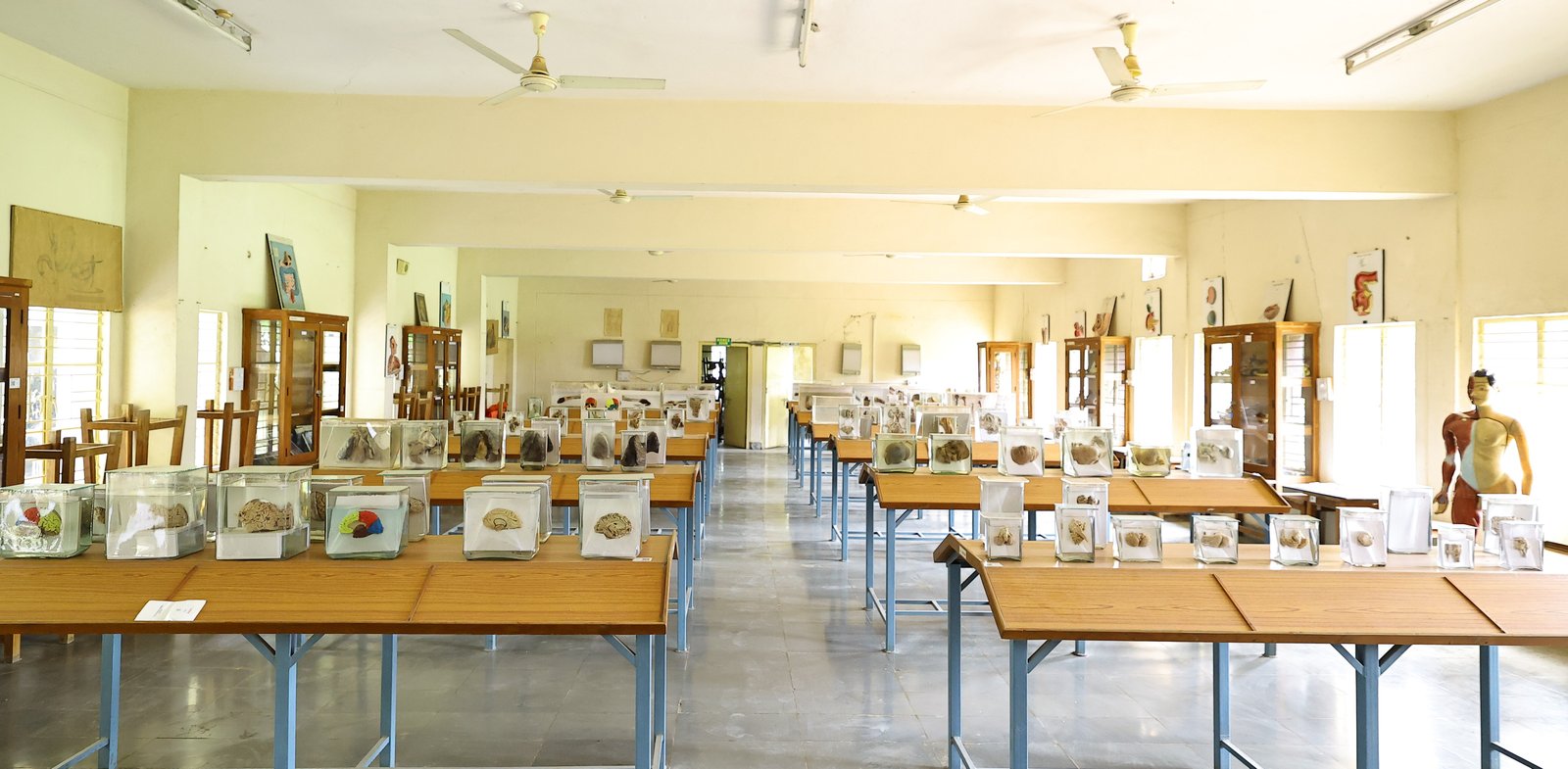
Anatomy
The Department of Anatomy at Mediciti College of Medical Laboratory Technology provides students with a strong foundation in understanding the structure and organization of the human body. Through classroom teaching, practical demonstrations, and specimen-based learning, students gain comprehensive knowledge of human anatomy, histology, and body systems. The department equips students with the essential anatomical knowledge required for accurate interpretation of laboratory findings and effective clinical laboratory practice
The branch of science that studies the normal functions of living organisms and their body parts
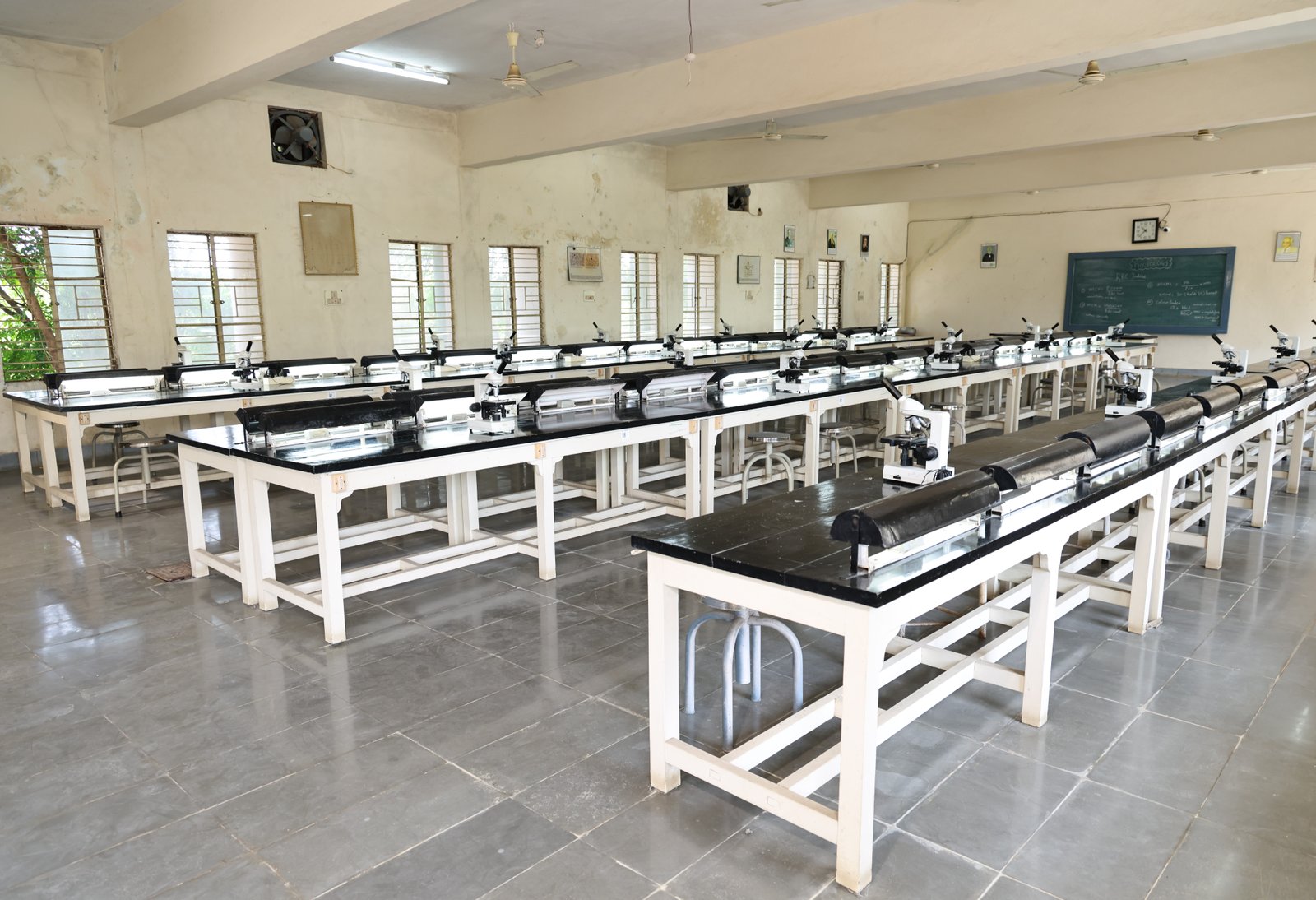
Physiology
The Department of Physiology at Mediciti focuses on helping students understand the normal functioning of the human body and its various organ systems. Through interactive learning and practical sessions, students develop a strong understanding of physiological processes, enabling them to correlate laboratory results with normal and altered body functions.
Biochemistry is the branch of science that studies the chemical processes and substances within living organisms
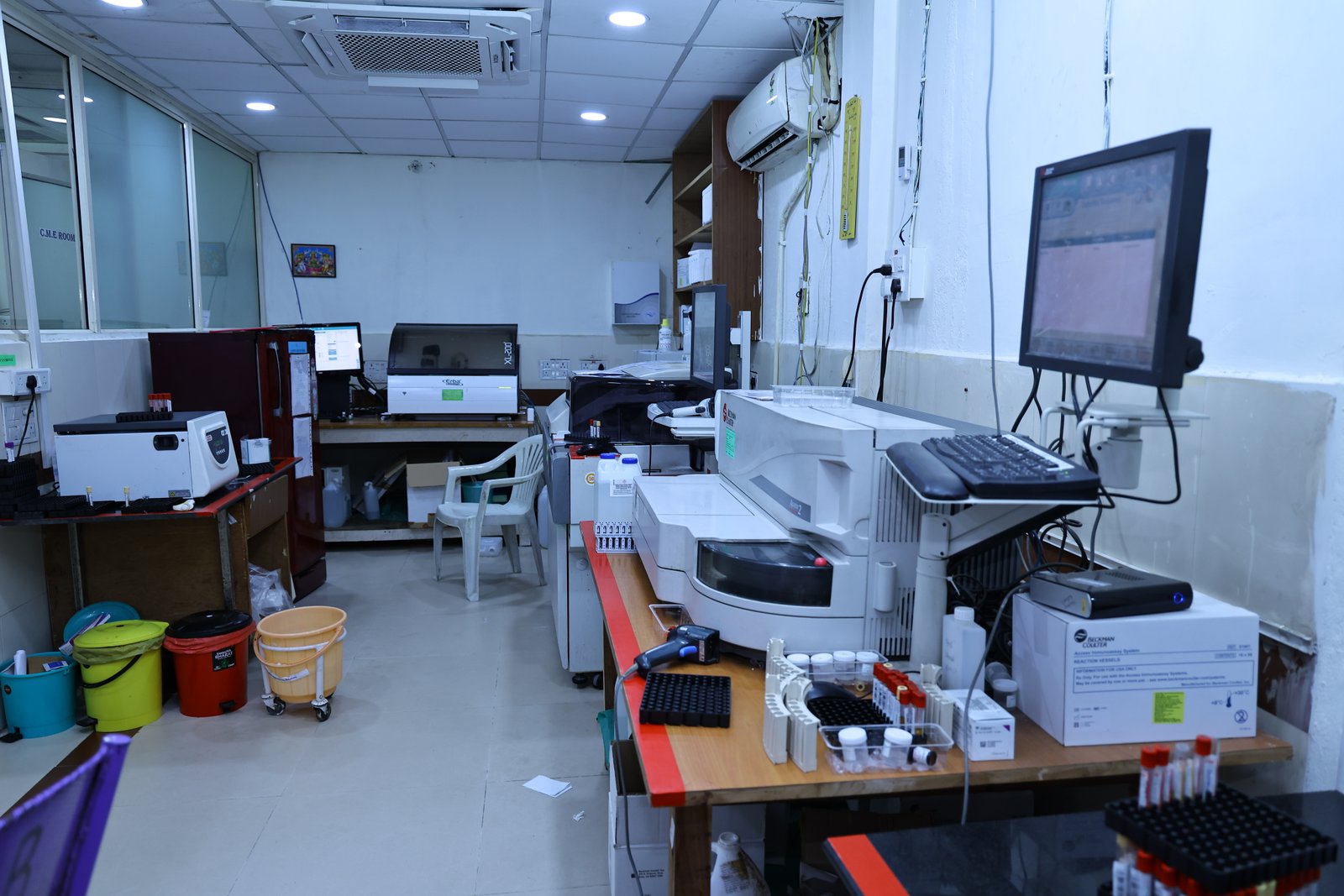
Biochemistry
The Department of Biochemistry provides students with a comprehensive understanding of the chemical processes that occur within the human body. Through theoretical knowledge and laboratory-based learning, students gain expertise in biochemical analysis, diagnostic testing, and the interpretation of laboratory investigations relevant to patient care.
Microbiology is the branch of science that studies microorganisms (microscopic living organisms) such as bacteria, viruses, fungi, parasites, and algae.

Microbiology
The Department of Microbiology provides students with knowledge of microorganisms and their role in health and disease. Through laboratory training and practical exposure, students learn microbial identification techniques, infection control practices, and diagnostic procedures essential for clinical microbiology laboratories.
Pathology is the branch of medical science that studies the causes, nature, and effects of diseases. It involves examining blood, tissues, cells, and body fluids to diagnose diseases and support patient care

Pathology
The Department of Pathology at MediCiti enables students to understand the structural and functional changes associated with diseases. Through the study of general and systemic pathology, practical demonstrations, and laboratory exercises, students develop the ability to recognize disease processes and their significance in laboratory diagnosis.
The Department of Research and Innovation at Mediciti College of Medical Laboratory Technology promotes scientific thinking, research aptitude, and evidence-based learning among students. Through research activities, workshops, conferences, and innovation-driven initiatives, the department encourages the development of critical thinking, academic excellence, and contributions to healthcare and diagnostic sciences.
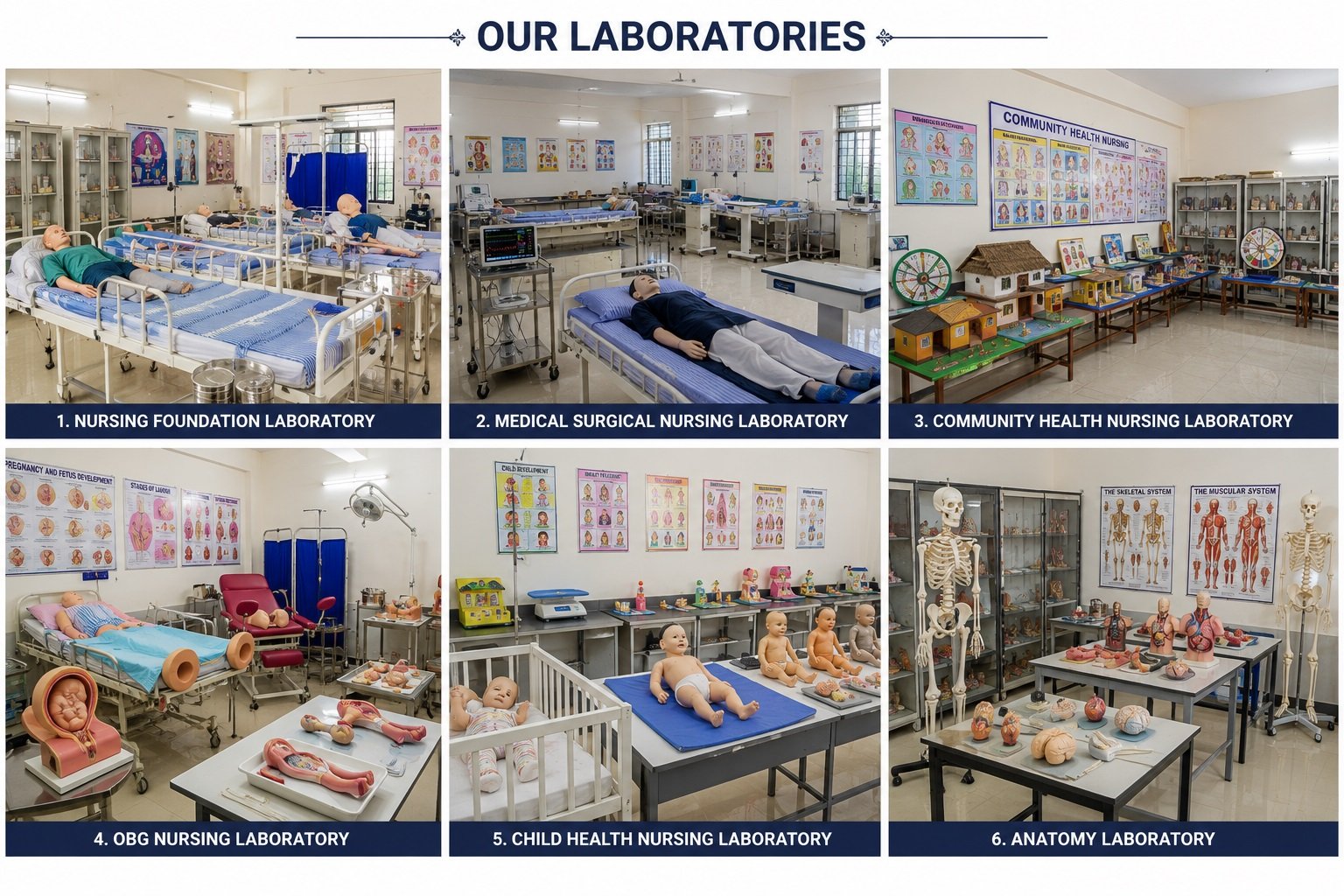
Well Equipped Laboratories
- Anatomy
- Physiology
- Biochemistry
- Pathology
- Microbiology
- Blood Bank